


AI-generated image provided by Bing
Many people find the term “black history” to be puzzling. What constitutes the history of Black people? Are there distinct varieties of Black history, such as African-American history in contrast to African or Afro-Latin history? Is Black history solely for African-Americans? These are all questions that are routinely asked regarding Black history. Those who interpret and define Black history as the history of all Black people across the entire world from the start of time have my unwavering support. According to the History Channel, “Black history is the story of African Americans in the United States.” I robustly disagree with this statement.
Many of us are familiar with and immediately think of familiar names when discussing Black history, particularly in the United States of America. These include Frederick Douglass, Barack Obama, Rosa Parks, Malcolm X, Martin Luther King, and Harriet Tubman.
What about the people whose names are not as well-known as the household ones listed earlier? Who are a few of these people? How did they contribute to Black history? From where did they originate? This piece focuses on five lesser-known, but important Black figures from both Africa and the United States of America.
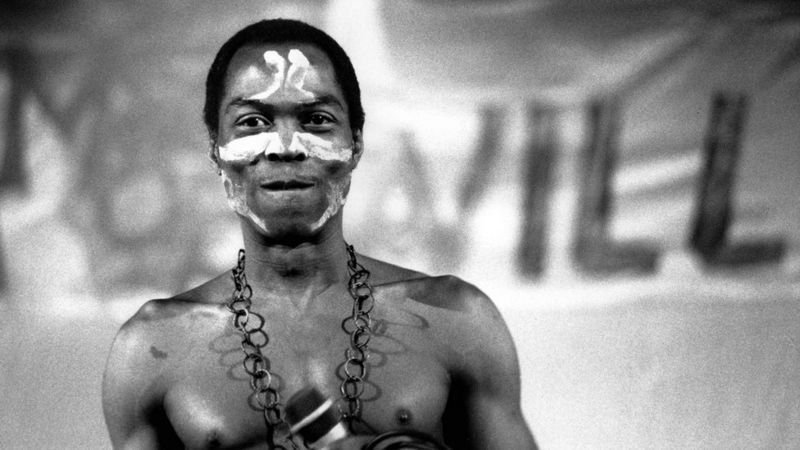
Fela Kuti

Fela Aníkúlápó Kútì, born Olufela Olusegun Oludotun Ransome-Kuti in Abeokuta, Ogun State, Nigeria on October 15, 1938, was a Nigerian musician, activist, and pioneer of the Afrobeat genre that had significant influences on Black history in several ways: musical legacy, activism, political dissent, cultural identity, Pan-Africanism, and legacy of resistance. He pioneered the Afrobeat genre, infusing traditional African rhythms with jazz and funk to create a globally influential sound. Beyond music, Kuti fearlessly used his platform to challenge government corruption and social injustice in Nigeria, inspiring a generation of activists to demand accountability from their leaders. His emphasis on African cultural identity and Pan-African unity resonated deeply with Black communities worldwide, fostering a sense of pride and solidarity. Despite facing persecution and imprisonment, Fela Kuti’s enduring legacy lies in his unwavering commitment to using his art as a tool for resistance and social change. Focusing on his musical legacy, here are some of his songs that have impacted the world:
- “Beasts of No Nation”: Addressing the savagery and inhumanity of corrupt leaders, such as Ronald Reagan, Margaret Thatcher, and P. W. Botha, “Beasts of No Nation” became an iconic track in Fela’s repertoire. With its potent lyrics, the song directly confronted the leaders who exploited and oppressed their people with lines such as, “many leaders as you see dem, na different disguise dem dey o, animal in human skin,” and “human rights na my property, so therefore, you can’t dash me my property… animal wan dash us human rights, animal can’t dash me human rights,” likening them to merciless beasts without conscience. Released in 1989, it remains a stark reminder of the struggles against tyranny.
- “Zombie”: Released in 1976, “Zombie” was one of Fela’s most famous songs. It criticized the blind obedience and mindless conformity of Nigerian soldiers who acted as “zombies” under the orders of corrupt and oppressive military regimes. Lyrics such as “zombie no go go, unless you tell ’em to go, zombie no go stop, unless you tell ’em to stop… tell them to go straight, a joro, jara, joro, no break, no job, no sense” were used in the hit song to attack and demoralize the mindsets of Nigerian soldiers at the time of the song’s release. The song’s repetitive rhythms and scathing lyrics made it a powerful anthem of resistance against authoritarianism.
- “Suffering and Shmiling”: Reflecting on the paradoxical nature of life amidst adversity, “Suffering and Shmiling” explored the resilience of the human spirit in the face of oppression and hardship. Fela depicted the daily struggles of ordinary people living in poverty and injustice yet finding joy and solidarity in their shared experiences. Through lyrics such as “we Africans all over the world, suffering and smiling, everyday my people dey inside bus, forty-nine sitting, ninety-nine standing, dem go pack themselves in like sardine, dem dey faint, them dey wake like cock, dem go reach house, water no dey, dem go reach bed, power no dey” convey his message of everyday suffering, especially in African nations such as Federal Republic of Nigeria. Released in 1978, the song served as a poignant reminder of the endurance and resilience of marginalized communities.
Yaa Asantewaa

Yaa Asantewaa I, born Nana Yaa Asantewaa, in Besease, Ashanti Empire, Ghana on October 17, 1840, was a revered queen mother of the Ejisu people in the Ashanti tribe in present-day Ghana, known for her leadership in resisting British colonial rule during the early 20th century.
- Leadership and Resistance: Asantewaa emerged as a formidable leader during the Ashanti-British War, which began in 1900. When the British colonial authorities exiled the Ashanti king and sought to seize the Golden Stool, a sacred symbol of Ashanti unity and sovereignty, Asantewaa rallied her people to resist colonial encroachment. Her leadership in the war elevated her to an iconic status as a symbol of African resistance against colonial domination. Her bravery and defiance inspired not only the Ashanti people but also other African communities facing colonial oppression across the continent. She became a beacon of hope and resilience for those fighting for freedom and self-determination.
- Empowerment of Women: Asantewaa’s role as a female leader challenging colonial authority was groundbreaking and transformative. At a time when women’s voices were often marginalized in political spheres, her leadership shattered gender stereotypes and empowered women to take active roles in resistance movements and nation-building efforts.
- Legacy of Independence: Although the Ashanti-British War ultimately ended in defeat for the Ashanti forces and Asantewaa was captured and exiled, her legacy endured as a symbol of the struggle for African independence. Her courage and determination laid the groundwork for future generations of African leaders and activists who continued the fight for liberation and self-determination across the continent.
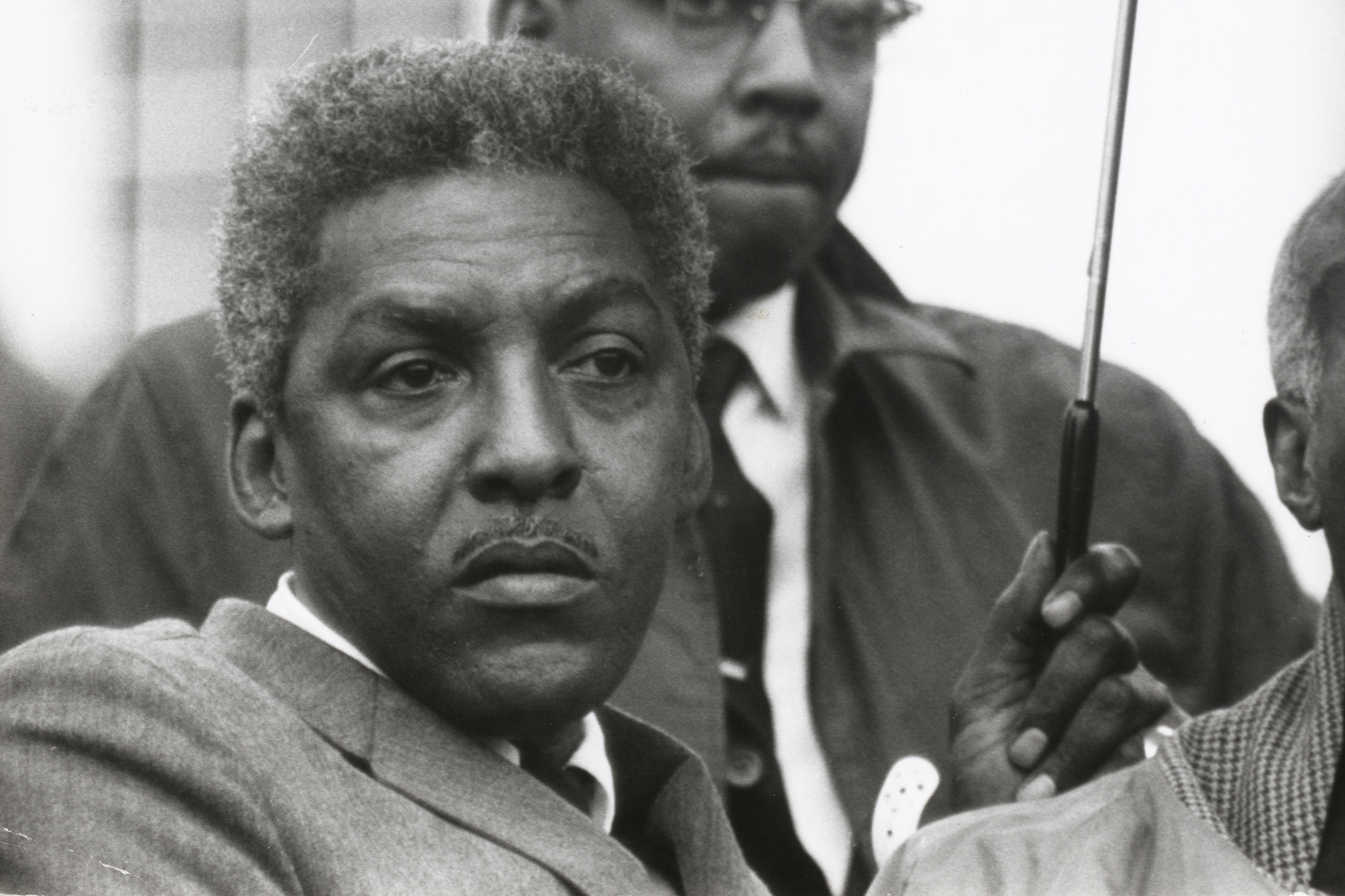
Bayard Rustin

Bayard Rustin, born Bayard Taylor Rustin, in West Chester, Pennsylvania, United States on March 17, 1912, was a pivotal figure in the Civil Rights Movement, known for his strategic leadership and advocacy for nonviolent resistance. As a key organizer of the historic March on Washington in 1963, he played a central role in mobilizing hundreds of thousands of people for civil rights and economic justice. Rustin’s contributions extended beyond activism as he openly discussed his gay sexual orientation, becoming an early advocate for LGBTQ+ rights within the broader struggle for social justice.
- Architect of the March on Washington: Rustin played a central role in organizing the historic March on Washington for Jobs and Freedom in 1963. He served as the chief organizer of the event, which brought together hundreds of thousands of people to advocate for civil rights and economic justice. The march culminated in Martin Luther King Jr.’s iconic “I Have a Dream” speech.
- Strategic Nonviolent Activism: Rustin was a staunch advocate for nonviolent resistance and was deeply influenced by the teachings of Mahatma Gandhi. He emphasized the power of nonviolent protest to effect social change and challenge systemic injustice. Rustin’s commitment to nonviolence helped shape the tactics and strategies of the Civil Rights Movement.
- Advocate for LGBTQ+ Rights: Rustin was also a trailblazer in the LGBTQ+ rights movement, openly discussing his sexual orientation at a time when it was highly stigmatized. He advocated for LGBTQ+ rights and was involved in early efforts to advance equality and combat discrimination based on sexual orientation.
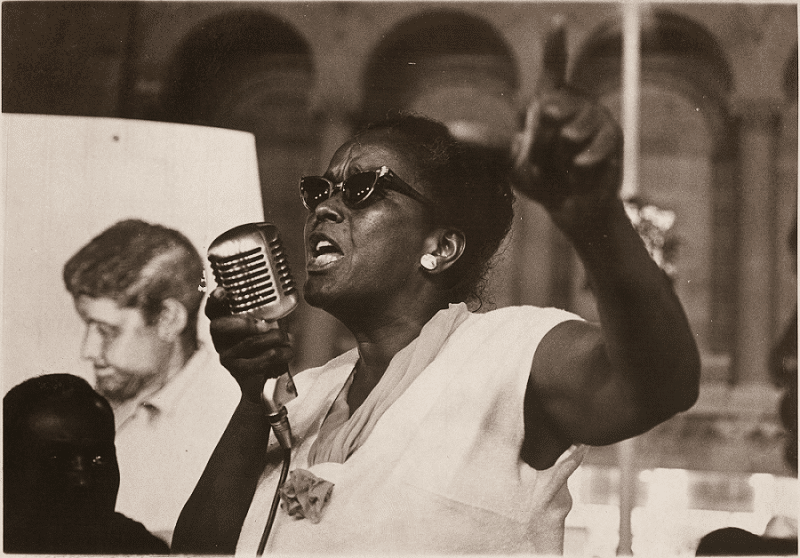
Ella Baker

Ella Baker, born Ella Josephine Baker, in Norfolk, Virginia, United States on December 13, 1903, was a pioneering civil rights activist known for her tireless dedication to grassroots organizing and empowering marginalized communities. Throughout her life, she worked alongside prominent leaders like Martin Luther King Jr. and W.E.B. Du Bois, advocating for social change and leaving an indelible mark on the civil rights movement through her emphasis on collective action and leadership development.
- Organizational Leadership: While working with the NAACP in the 1940s, Baker served as the director of branches, where she provided crucial support and guidance to local chapters across the United States. Her leadership helped strengthen the organization’s grassroots network and mobilize communities in the fight against racial discrimination and segregation.
- Emphasis on Empowerment: Within the NAACP, Baker emphasized the importance of grassroots activism and encouraged local branches to take autonomous action in addressing racial injustices within their communities. She believed in the power of collective organizing and encouraged ordinary individuals to become leaders in the struggle for civil rights.
- Advocacy for Human Rights: Baker’s tenure at the NAACP was marked by her unwavering commitment to advancing human rights and challenging systemic inequality. She worked tirelessly to address issues such as voter suppression, educational disparities, and police brutality, advocating for policies and initiatives that promoted equality and justice for all.
Garrett Morgan Sr.

Garrett Morgan Sr., born Garrett Augustus Morgan, in then Claysville, Harrison County, Kentucky, United States on March 4, 1877, was an African-American inventor and entrepreneur of the early 20th century, who defied racial barriers with his ingenuity and determination, embodying the spirit of innovation and resilience. Through his pioneering work and entrepreneurial endeavors, Morgan left an indelible mark on history, inspiring future generations with his unwavering commitment to progress and creativity in the face of adversity.
- Traffic Signal Invention: Morgan’s three-position traffic signal was a groundbreaking invention that featured a “stop,” “go,” and “all-stop” function, significantly improving traffic flow and reducing accidents on busy streets. His innovative design laid the foundation for modern traffic management systems and revolutionized urban transportation worldwide.
- Rescue Breathing Device: The Morgan gas mask, another of Morgan’s inventions, provided critical protection against toxic gases and smoke inhalation during emergencies such as fires and chemical spills. Its simple yet effective design made it accessible and widely used by firefighters and rescue workers, saving countless lives in hazardous situations.
- Entrepreneurship and Advocacy: Despite facing racial barriers and discrimination, Morgan’s success as an inventor and entrepreneur paved the way for greater recognition of Black contributions to technology and innovation. His achievements not only inspired future generations of African American inventors and entrepreneurs but also underscored the importance of perseverance and determination in the pursuit of one’s goals.