


By Averi Harper, Jenny Burton, Spencer Bakalar, and Allison Russell
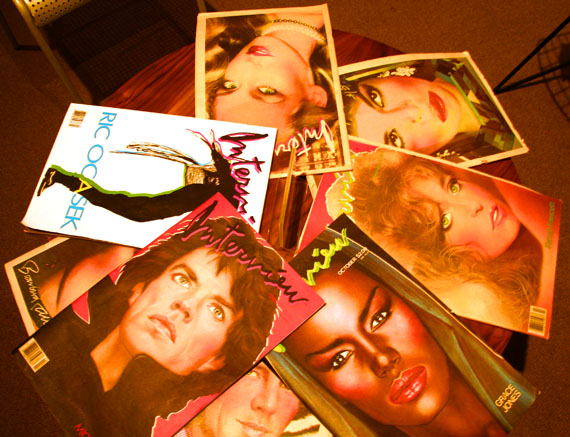
After two decades, scores of Andy Warhol’s subjects are getting their 15 minutes of fame at the Ackland Art Museum.
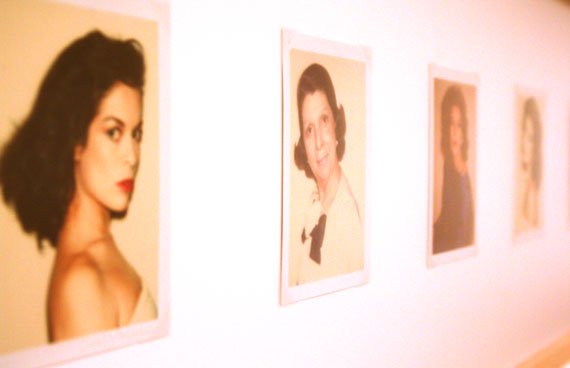
“Big Shots: Andy Warhol Polaroids” is the Ackland’s featured exhibition, showing approximately 250 Polaroids and 70 gelatin silver black-and-white prints. It is being shown in conjunction with two other portraiture exhibits.
Andy Warhol, one of the most influential pop artists of the 20th century, based his work on the idea of reproducibility and diffused the concept of authenticity in his art.
“Warhol recorded the known and the unknown, pursuing his own observation that ‘in the future, everyone will be world-famous for 15 minutes’,” noted Jennie Carlisle, a graduate intern working at the Ackland, in a written overview of Warhol’s body of work.
The photographs, which depict affluent subjects such as athletes, actors and children, were a gift from the Andy Warhol Foundation for the Visual Arts. The foundation received the contents of Warhol’s studio after his death and offers them to college museums.
The Nasher Museum of Art at Duke University and the Weatherspoon Art Museum at University of North Carolina at Greensboro have also displayed Warhol’s photographs. UNC-Chapel Hill is the third university to receive the photographs, and the exhibition will be on display until Jan. 2.
Peter Nisbet, the chief curator at the Ackland, had the challenge of displaying the Warhol portraits in an innovative exhibition that differs from the exhibits at the Nasher and the Weatherspoon.
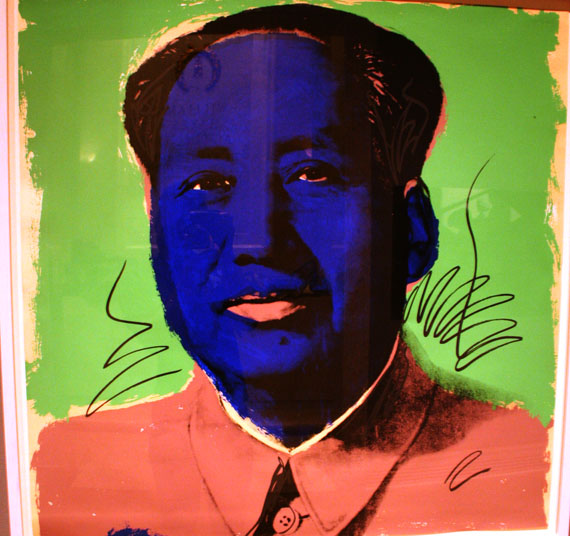
“Enduring Likeness” shows consistent and enduring qualities of Western European portraiture. The exhibit features artwork including portraits of Chairman Mao Zedong and Dame Elizabeth Taylor, both works by Warhol.
The portraits in the “Counterlives” exhibit focuses on the fame gained by a good reputation instead of commercial fame that prevailed in the 20th century.
Warhol’s professional and artistic careers were based in commerciality. He began his career as a graphic designer and gradually became a fixture in the New York art world as a collector in the 1950s. Within a decade, he had shifted from collecting to creating art as a predominant figure in the pop art movement.
Pop art began in the 1950s as a European fascination with commercial images from the United States. Given his background in graphic design, Warhol was “perfectly trained to step into the world of high art,” said Dr. Robert Colby, curator of the “Enduring Likeness” exhibition.
In spite of the idea of reproducibility in pop art, Warhol was able to use portraiture to transform the ordinary individual into a lasting image.